Ozgur Karahan AI Solution Engineer at Microsoft

Useful agents need more than a model.

I build and share enterprise agent patterns where business workflows, user identity, and human decisions meet.

Explore the topics

Explore the work

Scroll or swipe to browse the topics. Each card opens the work or its source.

Three questions I bring to enterprise AI.
The projects below explore them in different ways.

A task, not just an answer.

01 — What can it change?

Horizon Famille. A customer calls about a booking. The agent checks the situation, quotes a change before acting, and routes a discount outside its mandate to a person in Teams.

The useful part is the journey: a request becomes a concrete business action, with a visible point of human decision.

Demonstration scope. A real recorded phone call through Voice Live and Azure Communication Services; mock CRM, ERP, and knowledge-base services; Power Platform approval in Teams. Not live Dynamics or SAP integrations, a production deployment, or a public number to call.

The caller's identity matters.

02 — Whose authority does it use?

An agent's connection to a business system should not erase the person making the request.

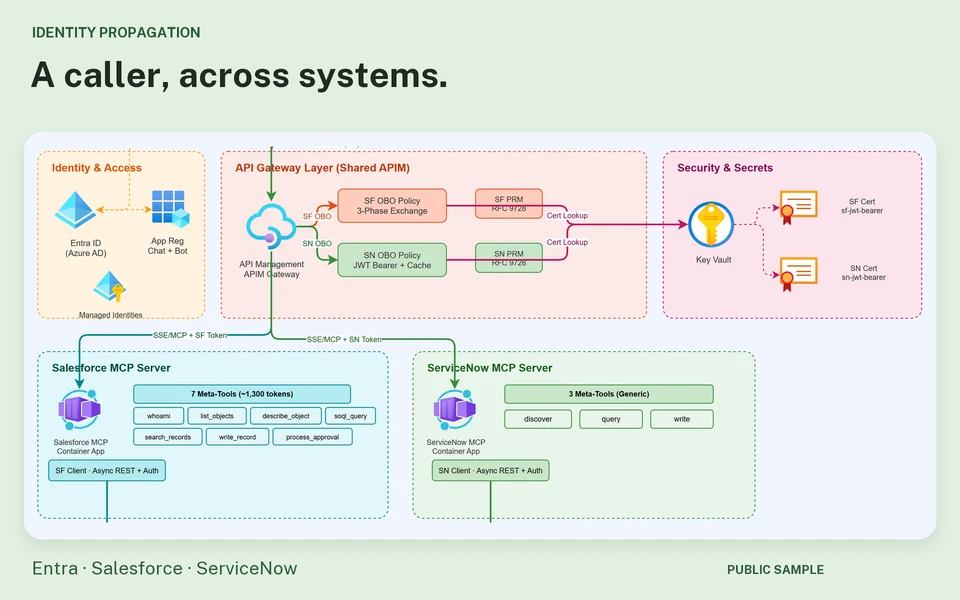
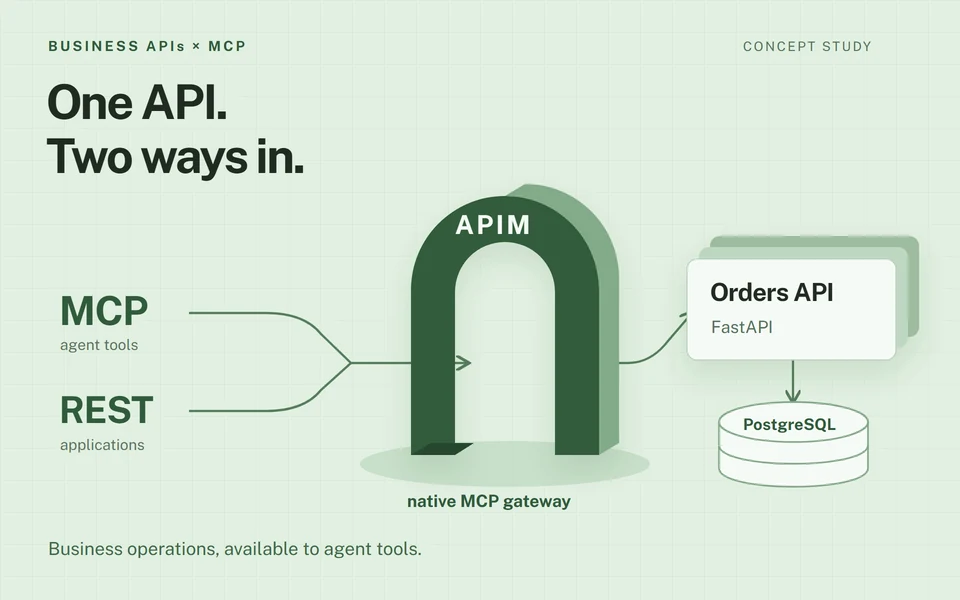
These separate implementations explore caller identity through Entra ID, Foundry, API Management, and downstream systems. Carrying an identity is only part of the job: authorization still needs to be enforced at each boundary.

These samples are not audited production guarantees. Read the evaluation boundaries before adapting a pattern.

A capable agent also needs a stop line.

03 — When should a person decide?

More autonomy is not automatically a better outcome. My starting point is to make the permitted action, the escalation condition, and the human decision explicit.

A useful handoff explains what is being requested, why approval is needed, and what the person can decide. Horizon's discount-approval workflow is one concrete example of that broader principle.

Explore the approval workflow

The ideas behind the work.

Start with a question. Follow it into a demonstration, an architectural explanation, or a presentation.

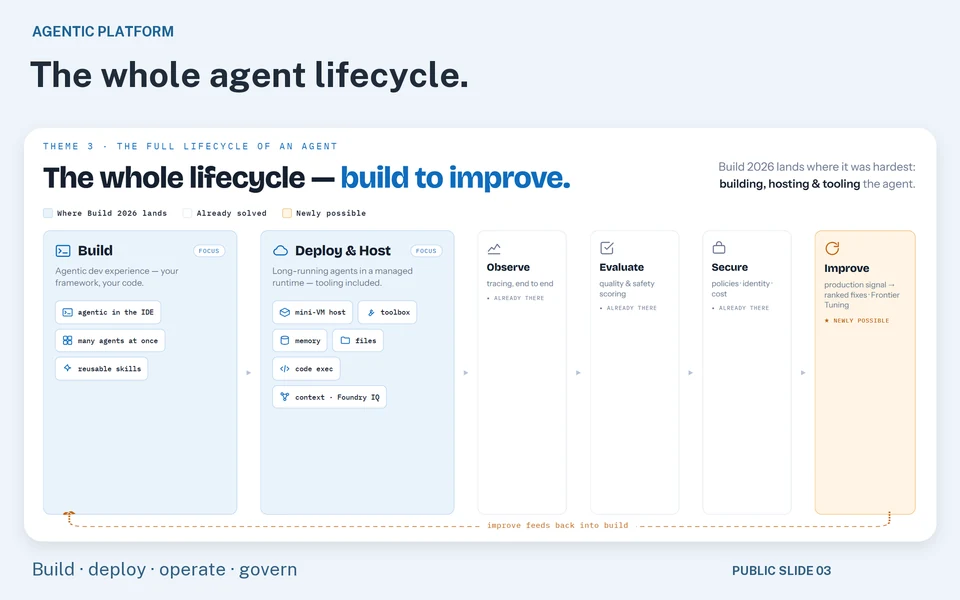
The Agentic Platform connects build, deployment, operations, and governance. Presentation source

Patterns to inspect, not promises to accept.

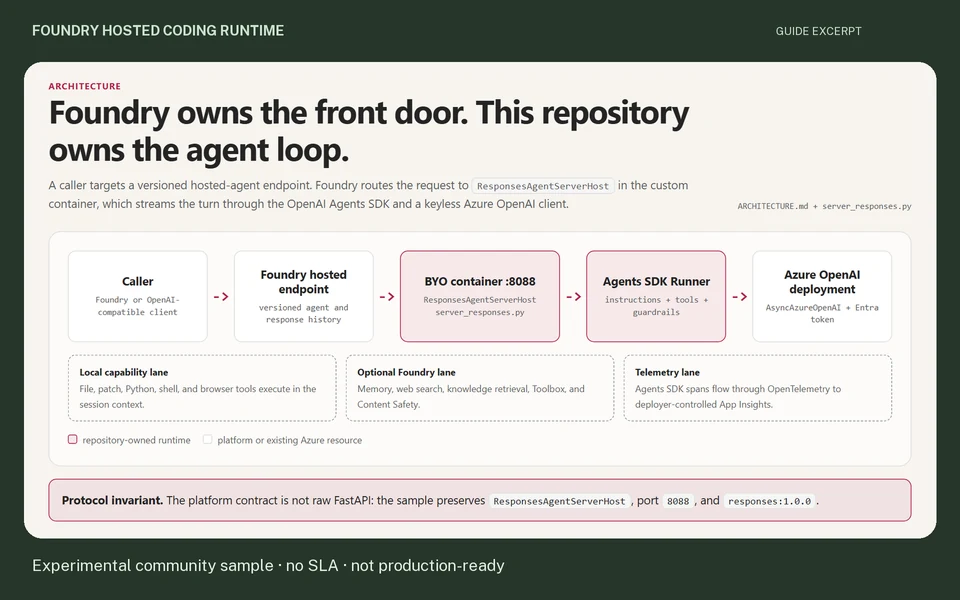
Foundry hosted coding agent

An experimental runtime combining the OpenAI Agents SDK, a terminal, persistent workspace, browser verification, and scoped Azure access.

Community sample: not an official Microsoft product or reference implementation, not production-ready, and no SLA or bundled infrastructure provisioning.

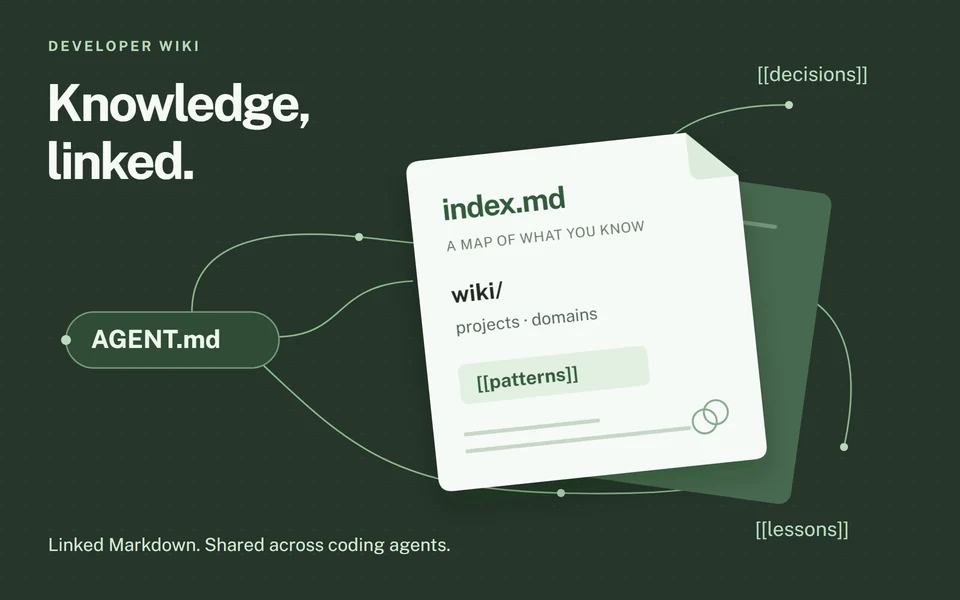
AI Agent Memory

A linked Markdown wiki for coding-agent knowledge across projects and sessions. A developer workflow, not a customer-data memory solution.

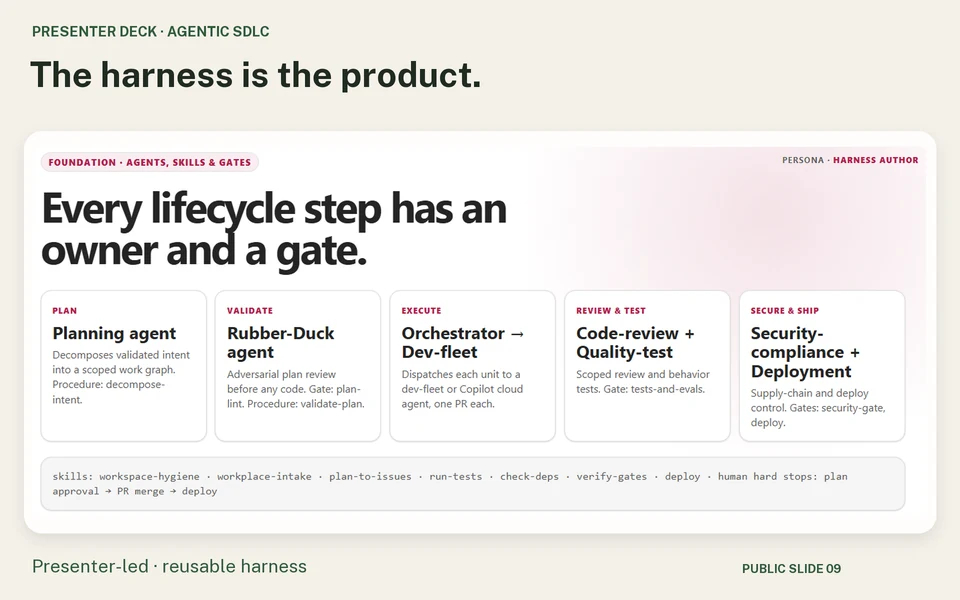
Agentic SDLC

A presenter-led software-delivery demo and reusable harness. The repository documents its current setup and status; this is not a claim of a complete, verified workflow.

Explore the full collectionPublic projects, attributed forks, and clearly labelled private work.

Agents and developer workflows

Identity and enterprise integration

Applications, operations, and learning

  • AI Avatar Presenter

    Avatar-led presentation, speech, and interactive questions.

  • Azure SRE Agent for Synapse

    Infrastructure and investigation scaffolding for Synapse observability scenarios.

  • Anthropic Academy

    Worked learning examples.

  • Enterprise Document RAG — Private repository

    Document intelligence and retrieval-augmented generation for an enterprise engagement.

Contributions and reference forks

Bring a workflow.
Let's examine the boundaries.

For conversations about enterprise agents, caller identity, human oversight, or the architecture behind them.